
A Brief History of the Town of Vernon
The town of Vernon takes its name from a man named John Vernon who was shot and killed in the Vernon Creek bottoms by an Indian named Tabby Weepup, over an argument dealing with a gun that Vernon had fixed for Weepup, in 1857.
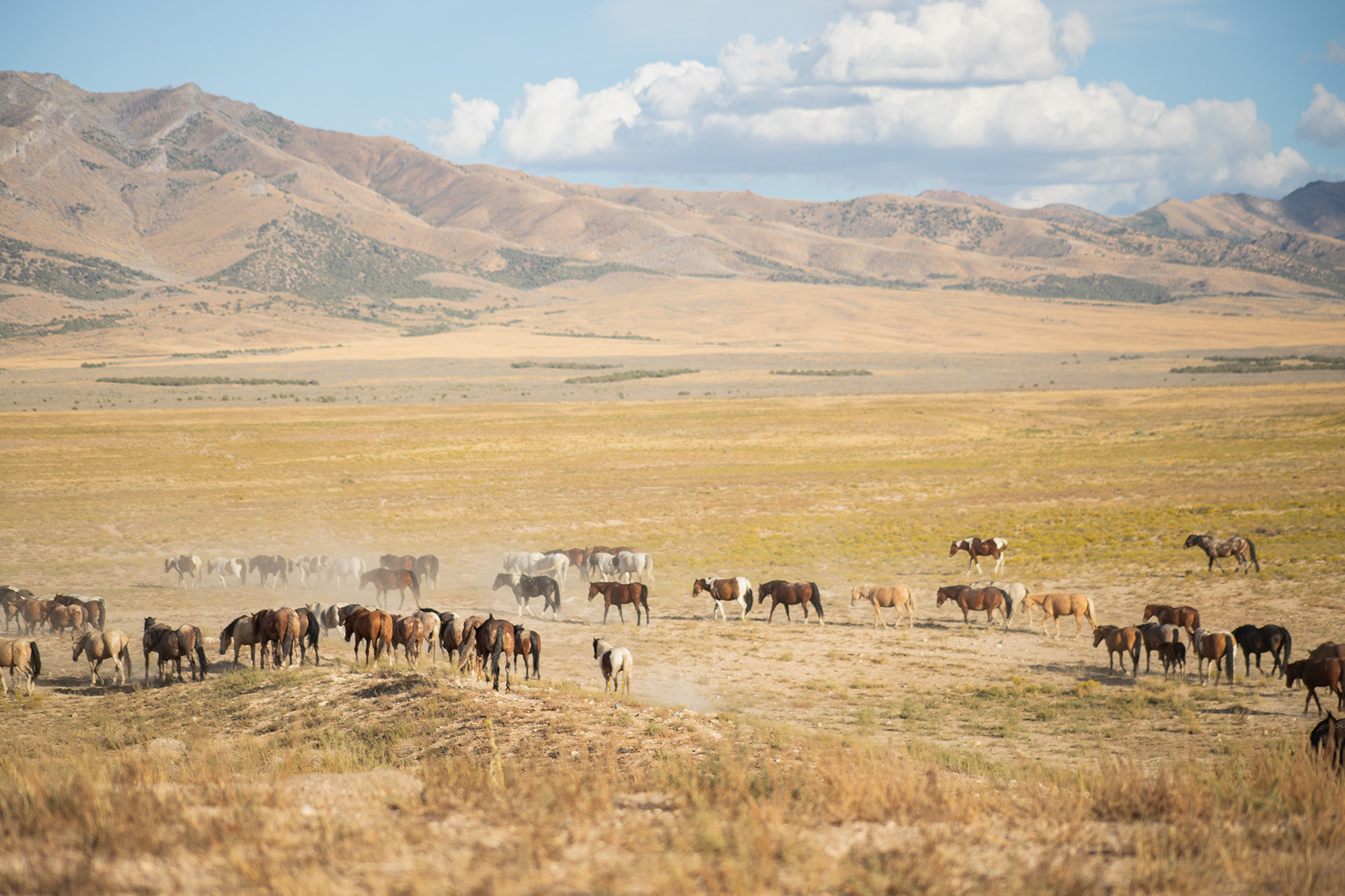
Early settlers soon entered the area and began to graze large herds of livestock on the plentiful meadow grasses created by the meandering streams and natural springs in the area. “Numbers of livestock which seem incredible now were grazed in the area with no need for winter supplements. [This included] Year-long ranging of 10,000 head of cattle, several large herds of sheep, and thousands of horses” (Colin Bennion, Making a Living in Vernon, Sketches of Vernon History, p.10). Not understanding the growth habits of the desert grasses, the immigrant settlers overgrazed the valley and within fifteen years of their arrival, the native grasses were gone and were replaced by the sagebrush, greasewood, rabbit brush, cheatgrass and juniper trees found in abundance today.
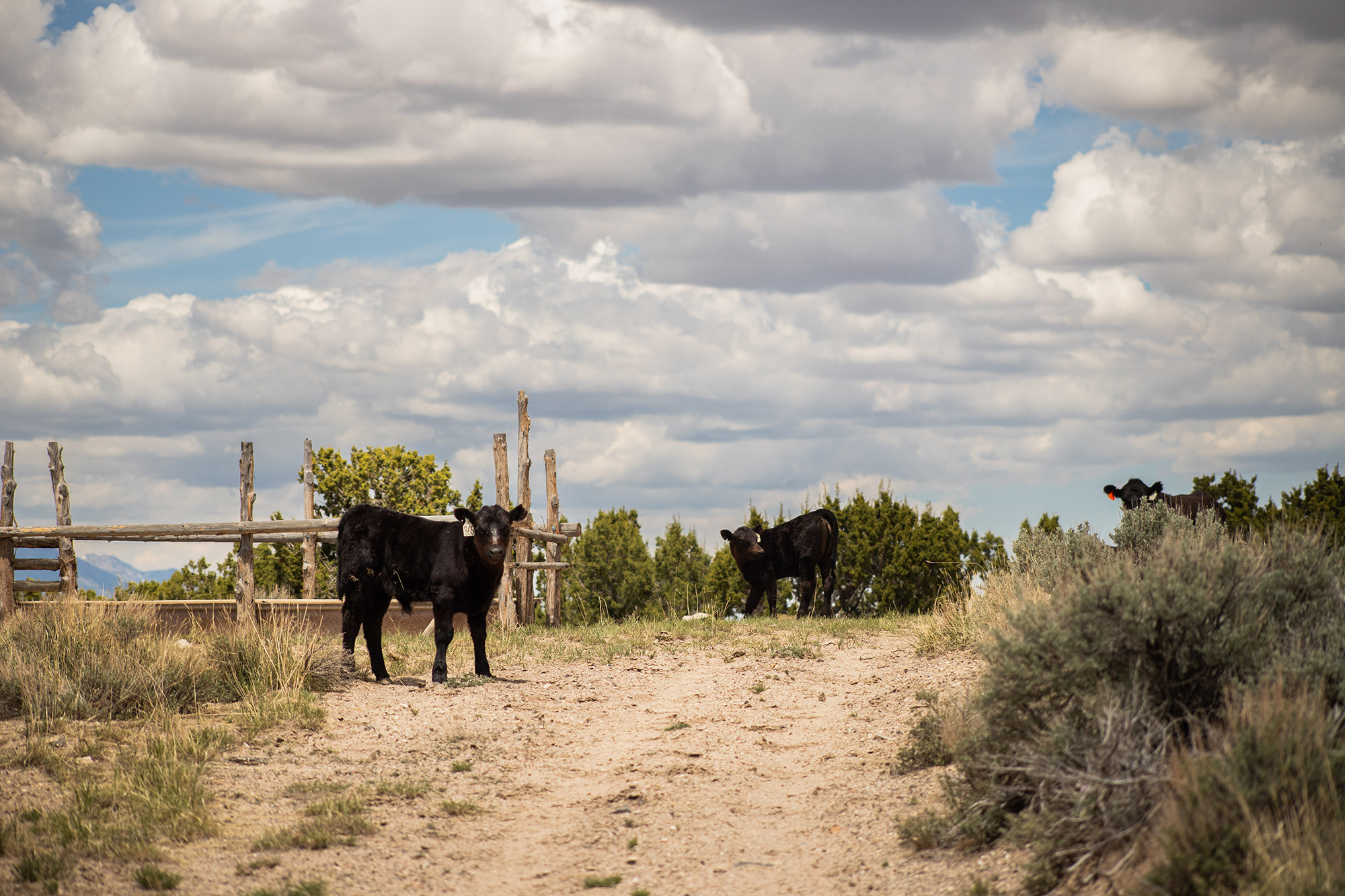
Farmers soon began to use the waters from Vernon Creek and other small streams to irrigate crops and gardens. Freighting to the nearby mines in Ophir, Mercur, and Eureka provided supplemental income to some as well as a few who explored mining ventures for themselves. These were tough times, but these faithful pioneers persevered and through hard work and tenacity they were able to provide for their families and a settlement was created.
Most of the early settlers of Vernon were converts to the Church of Jesus Christ of Latter-Day Saints and came to the valley as they were beckoned by their Prophet leader to, “gather to Zion.” One can only imagine their feelings as they left the opulent lands of Europe to settle in this high desert valley void of the lush foliage they were accustomed to. These settler “saints” united together to provide for much of the spiritual and social needs of the community.
no image found
In 1934, a very large, incorporated town called Onaqui was created in the valley, including Vernon as well as the settlements of Clover and St. John as a bureaucratic measure to facilitate the coming of electricity to the communities. Vernon was far from the rest of Onaqui, and the locals always looked on the town as somewhat independent. Vernon residents were granted a petition to incorporate separately on February 22, 1972, and the remaining part of Onaqui was renamed Rush Valley.
In 1942, with World War II raging in Europe and the Pacific, the U.S. Department of Defense opened three military facilities in the area. From the very beginning, many Vernon residents found employment at one of the three: Tooele Army Depot, Dugway Proving Ground, or Deseret Chemical Depot. Today, at the time this is being written in 2021, these establishments are still a major source of employment for the citizens of Vernon.
Throughout the years, the people of Vernon have endured cycles of abundance and poverty; snow packed mountains with rain in plenty and drought afflicted lands; celebrations, and rejoicings along with dejection and grief. Through it all, the small town has retained its sense of community, and its proud heritage. Former resident Colin Bennion wrote in 1963, and it is still true today that, “Pioneering is not dead in Vernon. Nor is the love of cattle and horses and the valleys and mountains surrounding. Those who stay in the valley find happiness in hard work, a good school for their children, religious and civic activities, and recreation in the uncrowded, free lands about them (Colin Bennion, Making a Living in Vernon, Sketches of Vernon History, p.13).”